Eating Disorders: A Gentle but Honest Guide (For You, or Someone You Love)
Why it matters?
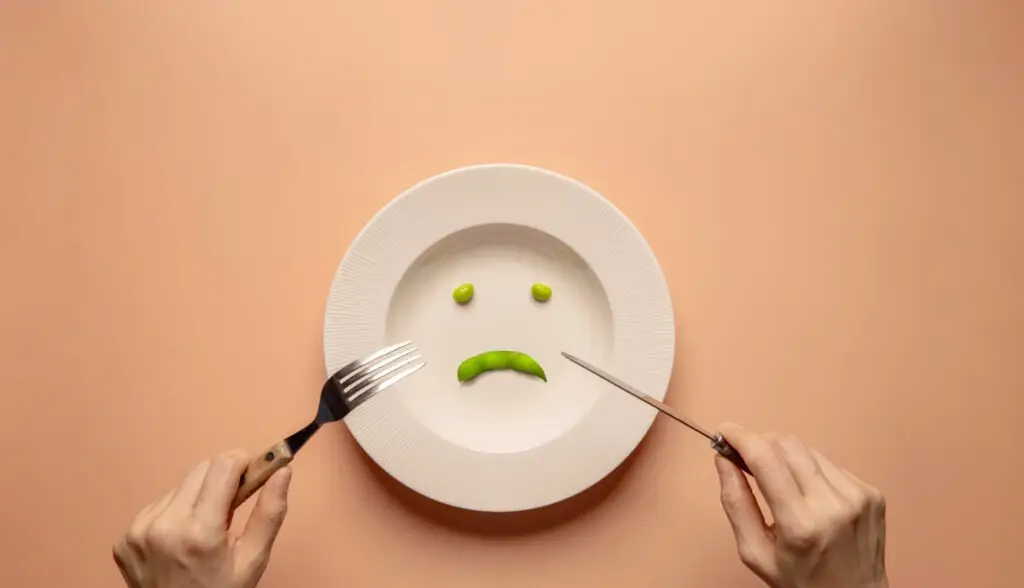
If food, weight, or control is taking up more headspace than joy, laughter, or connection; for you or someone you love — this isn’t “just a phase.” Eating disorders are common, serious, and treatable. And most importantly, you are not alone.
What is an eating disorder?
An eating disorder is when food and body worries start to hurt your health, mood, and daily life. It’s not about “weakness” or “willpower” — it’s an illness.
It can look like:
eating very little out of fear of gaining weight (anorexia)
eating large amounts in a short time and feeling out of control (binge eating)
eating and then forcing vomiting or over-exercising (bulimia)
avoiding certain foods so strictly that it harms health (ARFID)
or a mix of these patterns (OSFED)
Millions worldwide are affected: children, teens, and adults. Remember, you don’t have to “look sick” for it to count.
Perspectives — what different people notice, say, and do
The person inside it:
Common feelings: shame after eating, fear of losing control, isolation, exhaustion — and relief when someone listens.
What you can do now: pick one tiny step: call one person, eat one consistent snack, or book a simple check-up. Try a five-minute routine: journal one feeling, doodle for two minutes, then breathe for one minute.
Record a private Video Journal, try a quick Calming Doodle before a meal, or post anonymously in our community if speaking feels too big.
A parent watching:
What they notice: avoiding family meals, secretive behaviours, big mood or sleep changes.
What they must do: create calm mealtime routines, remove blame, help with appointments and follow-ups.
Small action: arrange one non-judgmental family meal and offer to book a medical appointment together.
Draft a short, gentle script or checklist in MentalFill’s journal to practice before you speak — it helps keep the tone calm.)
A friend trying to help
What they notice: skipping hangouts, canceling meals, mood or energy shifts, excuses about food.
What they must do: stay present, invite low-pressure activities (walks, movies), bring company that isn’t centered on food, gently encourage professional help.
Small action: plan one easy outing and keep it casual.
If you’re unsure how to start, ask anonymously in MentalFill’s community for example phrases others used — no names attached
Nurse perspective
What they notice: fainting, dizzy spells, abnormal pulse, fast or slow heart rate, big weight changes, dehydration, dental erosion.
What they must do: quick vitals, basic labs, flag urgent risks and arrange immediate care if needed.
Small action: get a same-day vitals check or a basic blood test.
Before the visit write physical symptoms in MentalFill’s anonymous journal to take along.
Tiny real stories
Maya, 19
Maya started skipping lunches after a painful breakup. She stopped answering calls and found herself leaving the dining hall before anyone noticed. One evening her mom sat with her on the bed and said, quietly, “I miss you.” Maya didn’t agree to therapy that night, but she let her mom make an appointment. The first step was small: a 20-minute doctor visit that checked her heart and some blood tests. After that, a dietitian helped her make one steady meal plan, and a therapist helped her name the guilt she’d been carrying. It wasn’t fast; there were weeks she slipped back into old habits — but having one person keep appointments with her made the difference. Today she’s not “fixed,” but she’s back to class, eats with friends sometimes, and has tools for hard days.
Arjun, 17
Arjun’s dad noticed clothes fitting looser and avoided family dinners. He tried confronting him once and it blew up; Arjun shut down. The next time, his dad changed tone: he stopped asking “why” and started offering help, “Do you want me to come with you to the doctor?” and set up a casual Sunday meal where phones were left out of the kitchen. Arjun agreed to a medical check, and the doctor suggested family-based support for meals. The family learned to be calm and practical instead of accusing. Arjun’s recovery was slow, but the family’s steady presence stopped things from getting worse.
Why this matters: approaching from care, not judgment, made the teen accept help instead of hiding more.
Neha, 28
Neha’s pattern was bingeing late at night after long workdays. She felt ashamed and hid it. A friend suggested she try journaling before bed — just one line: “What am I feeling?” and to do a two-minute doodle when urges hit. Neha started an anonymous entry on MentalFill one night and found other people wrote the same thing: exhaustion, loneliness, and the urge to eat to soothe. That small habit — noticing the feeling instead of acting on it immediately gave her a 24-hour pause. She also found a therapist who taught her one breathing exercise she could do at her desk. Months later, binge episodes became less frequent and she had ways to care for herself when stress rose.
Why this matters: small routines (journal + doodle + one breathing tool) can interrupt an automatic urge and open space for a different choice.
Signs to look out for
With food: skipping meals on purpose, cutting food into tiny pieces, eating a lot quickly and then feeling guilty, hiding food wrappers, or sticking to rigid “safe foods only.”
In the body: sudden weight drops or gains, dizziness or fainting, stomach pains that keep coming back, changes in skin/hair, or dental problems from vomiting.
In everyday life: pulling away from friends, dreading family meals, big mood swings, constant body-checking in mirrors, or talking a lot about calories/weight.
What actually helps
Start with safety. A basic medical check-up can show if urgent care is needed (like low blood pressure, heart rhythm issues, or severe weight loss). Think of it as the first “reality check” — not about numbers, but about keeping your body safe enough to heal.
Build a small team, step by step. You don’t need ten specialists at once. Often it begins with:
a doctor to monitor health,
a dietitian who understands eating disorders,
and a therapist who really gets how food, thoughts, and feelings connect.
Therapies that actually work:
Family-Based Treatment (FBT): often the gold standard for teens, where parents are coached to support meals and routines.
Cognitive Behavioral Therapy (CBT-E): highly effective for bulimia and binge eating — helps untangle the cycle of guilt, restriction, and over-eating.
Family & friends matter. Calm, practical support helps more than “just eat” or guilt trips. Sometimes it’s as simple as sitting together during a meal, or offering a ride to therapy.
Recovery is a long game. There are ups, downs, and sometimes relapses — that doesn’t mean failure. Each restart strengthens recovery.
How to talk to someone
Lead with care, not criticism → let them feel you’re coming from love, not judgment.
Be gentle but honest → share what you’ve noticed, without blaming.
Show willingness to walk with them → offer to sit with them, go to the doctor, or just listen.
Avoid saying:
“Just eat.”
“You look fine.”
Jokes or comments about weight.
If you’re the one struggling
What you’re going through isn’t weakness, and it isn’t your fault. Eating disorders are illnesses — and recovery is possible.
You don’t need to “fix everything today.” Sometimes it’s enough to just take one small step: reaching out to someone you trust, eating one thing that feels safe, or even just reading about recovery. Every step, no matter how small, is progress.
And remember, you don’t have to do it alone. At MentalFill, you can share your thoughts anonymously in our journal or connect with others in our safe community who truly understand.
Resources
India: Services are growing but uneven. Ask for psychiatrists, dietitians, or therapists with eating-disorder experience and knowledge of Indian food culture + family roles.
24/7 Vandrevala Foundation Helpline: 1860 2662 345 or +91 9999 666 555
iCALL (TISS): +91 98204 66726 or +91 9152987821 (Mon–Sat, 9 am–9 pm)
24/7 AASRA Helpline: +91 22 2754 6669
International: Look up Eating Disorder Hope or the National Alliance for Eating Disorders for helplines and chats. You can also access:
Befrienders Worldwide: www.befrienders.org — emotional support in 30+ countries
Crisis Text Line (Global): Text HELLO to 741741 (US/Canada), SHOUT to 85258 (UK), or WhatsApp +44 7418 360 780 (global access)
Emergency: If fainting, chest pain, breathing problems, or suicidal thoughts — call 108 in India or your local emergency number right away.
Final note (for you, right now)
Recovery isn’t about waiting for a “worst-case scenario.” If you’ve seen yourself (or someone you care about) in even a small part of this article, that’s already a sign to act. Start with one step: open up to a friend, reach out to a professional, or save the helpline numbers above.
You don’t have to “wait until it gets worse” to deserve help. Whether you’re noticing this in yourself, your child, your partner, or your best friend — the bravest step is the first one.
One small action today can change the whole story tomorrow.
Frequently Asked Questions on Eating Disorders
1. What is an eating disorder?
An eating disorder is a mental-health condition where thoughts and behaviours about food, weight or shape become persistent and harmful to health, mood and daily life. It can affect anyone and often co-occurs with anxiety or depression.
2. What are the main types of eating disorders?
Common types include anorexia nervosa (restricting food), bulimia nervosa (bingeing then purging), binge-eating disorder (recurrent binge episodes) and ARFID (severe avoidance of foods). There are also other specified presentations (OSFED).
3. How can I tell if someone needs professional help?
Look for persistent changes: avoiding meals, large weight change, fainting/dizziness, secret eating, extreme exercise, or withdrawal from friends. If several signs are present or functioning is impaired, seek medical/mental-health assessment. If there’s fainting, chest pain or suicidal thoughts — call emergency services.
4. How are eating disorders diagnosed?
Diagnosis combines a medical exam (vitals, labs) with clinical interviews and screening questions about eating patterns, control, and body image. A GP, psychiatrist, or specialist clinic usually coordinates the evaluation and any necessary tests.
5. Are eating disorders dangerous?
Yes — eating disorders can cause serious medical complications (heart, bone, digestive and dental problems) and have a higher risk of death compared with many other mental illnesses. Early detection and treatment reduce risk.
6. What treatments are proven to help?
Effective care often mixes medical monitoring, nutrition support and psychotherapy. For teens, Family-Based Treatment (FBT) is widely recommended; for adults with bulimia or binge eating, enhanced CBT (CBT-E) is commonly used. Some people also benefit from medication for co-occurring depression or anxiety.
7. Can people recover from an eating disorder?
Yes, many people recover or significantly improve with timely, appropriate care. Recovery timelines vary and relapse can happen, but ongoing support and the right therapies increase long-term success.
8. How should I talk to someone I’m worried about?
Lead with care and curiosity, not blame. Say you’re worried, describe what you’ve noticed, and offer specific help (book the appointment, go with them). Keep the tone calm and repeat offers of support — small, steady actions help more than pressure.
9. When should I go to the emergency room?
Go to emergency care for fainting, chest pain, difficulty breathing, severe dizziness, fainting spells, or if the person expresses a plan to harm themselves. For any life-threatening signs, call local emergency services immediately.
10. Where can I find immediate support or helplines?
If you’re in India, national helplines like iCALL (TISS) and Vandrevala Foundation provide counselling and crisis support; internationally, NEDA, Befrienders Worldwide and Crisis Text Line connect people to resources and local centres. Keep a helpline card handy.